 1
1
 0
0
This was announced by researchers on Friday. In 2024, 37 confirmed cases were recorded, more infections than ever before since the disease was first detected in 2009. For the first time, northern Burgenland was particularly affected, with the virus spreading much more rapidly than in previous years.
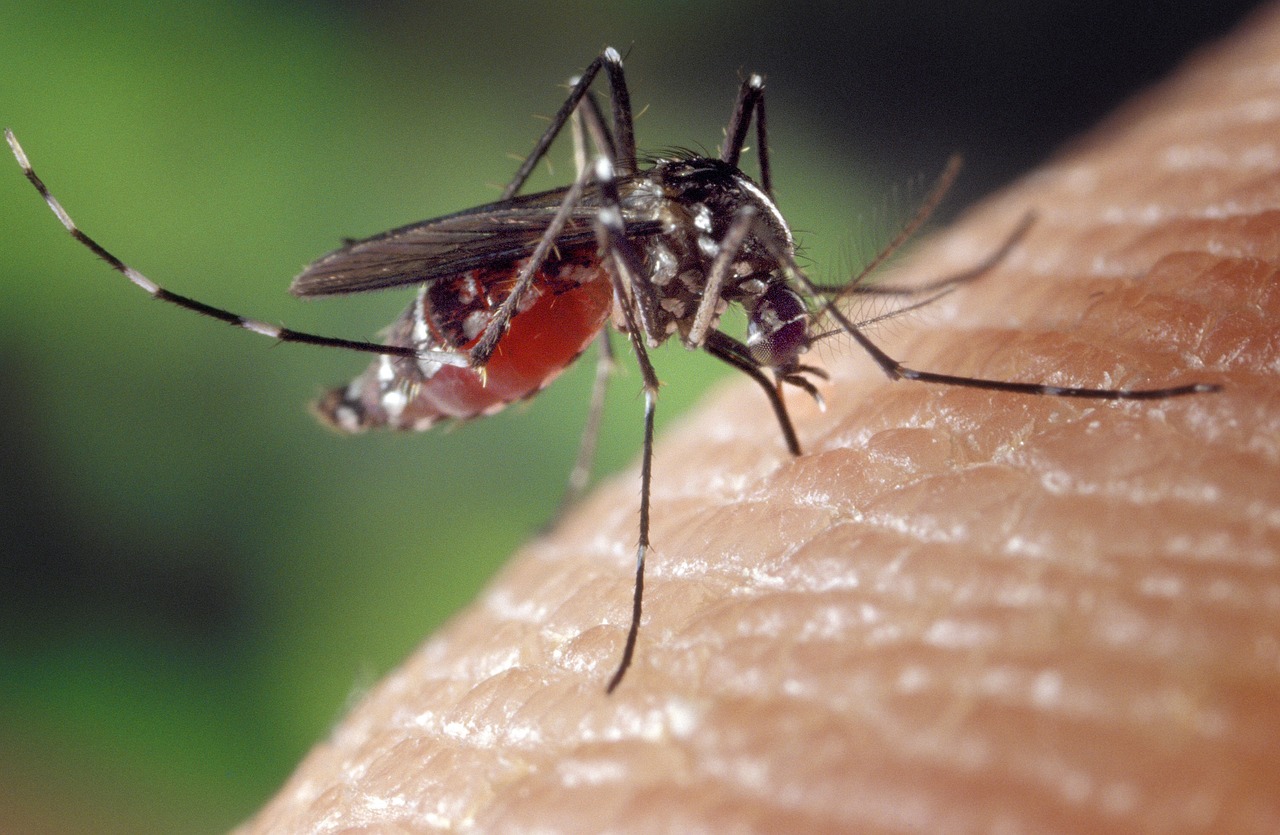
The West Nile virus is transmitted in Austria by native mosquitoes. In 2024, 37 cases were documented. Nineteen of these patients had severe symptoms and were treated in hospital. “The significant increase in cases shows that the West Nile virus is now firmly established in Austria,” said Judith Aberle, Professor of Virus Immunology at the Medical University of Vienna and head of the study at the Center for Virology.
Northern Burgenland with the most cases
Most cases occurred in northern Burgenland. In addition, a virus variant previously known mainly from southern and southeastern Europe was detected in this region for the first time. “The fact that we are observing new regional hotspots underscores the need to be vigilant even in areas that have been less affected so far,” Aberle emphasized. “Especially in the summer months, patients with meningitis or encephalitis should be considered for possible infection with the West Nile virus, even if they have no history of travel.”
The researchers assume that there are many unreported cases: only about one in five infected individuals develop symptoms, and severe neurological disorders occur in a small proportion of those affected. A significant number of infections therefore remain undetected.
No effective vaccine currently available
There is currently no effective vaccine. Continuous monitoring is therefore particularly important. This would allow new risk areas to be identified at an early stage and an appropriate response to be made to the spread of the virus.
The long-term study was conducted at the Center for Virology at the Medical University of Vienna in collaboration with AGES (Agency for Health and Food Safety). Data from the period 2009 to 2024 was analyzed. The InFlaMe project is supported by the European Union.
- source: oe24.at/picture: pixabay,com



This post has already been read 7302 times!